


4 mins

AMD just had the biggest quarter in its history, yet the part of the business PC gamers care about most went the other way. In its third quarter 2026 results, published November 3, AMD reported record revenue of US$13.4 billion, up 45% from a year earlier, while its Gaming business fell 40% to US$773 million. On the earnings call, CEO Lisa Su also said AMD is planning for PC shipments to drop by a double-digit percentage in 2027. Here is what the numbers actually say, and what they mean for anyone shopping for a graphics card or a gaming PC.
Why did AMD's gaming revenue drop 40%?
AMD's Gaming segment combines two things: the semi-custom chips it sells to console makers and its own Radeon graphics business. According to the earnings call transcript published by The Motley Fool, Su said the decline was "primarily due to lower semi-custom sales as expected at this stage of the console cycle." CFO Jean Hu added that graphics demand was also lower than a year ago.
The drop is large on paper: Gaming brought in US$1.298 billion in the same quarter of 2025, according to AMD's quarterly filing. Compared with the previous quarter, though, Gaming was essentially flat (US$779 million in Q2). As Ars Technica points out, AMD does not split console chips from PC graphics cards, so the 40% figure is not a measure of Radeon sales alone. Ryzen processors are not in this segment at all; they are counted under Client.
Are Radeon graphics cards selling less?
Year over year, yes: Su said gaming graphics revenue declined. But she also said Radeon GPU channel sell-through, meaning cards actually sold to buyers through retailers, increased from the previous quarter. Radeon AI Pro cards, aimed at people running AI models locally, grew significantly quarter over quarter. AMD did not announce any new desktop Radeon card or any price change alongside the results.
Why does AMD expect fewer PCs to sell in 2027?
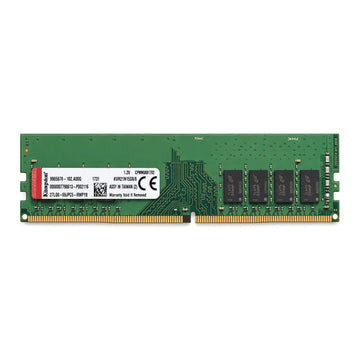
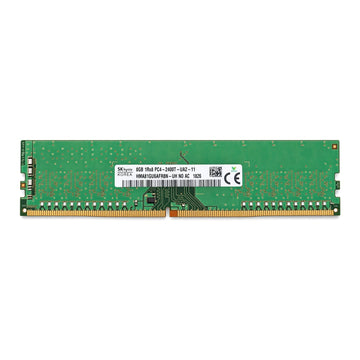
The Client business, which includes Ryzen desktop and laptop CPUs, grew 7% year over year to US$2.9 billion, driven by Ryzen mobile chips. Quarter over quarter, however, Client fell 4%, and Hu said higher memory costs weighed on PC demand. Su was direct about it: "PC sell-through slowed late in the quarter as higher memory and component costs weighed on demand."
That is the key point for buyers. When RAM and other parts cost more, complete systems cost more, and Su said consumer markets are the most sensitive to that. AMD's planning assumption for 2027 is a PC market down by a double-digit percentage in units. For the fourth quarter, AMD guided its Client and Gaming segment down more than 20% from Q3. Su said AMD will focus on enterprise, premium consumer and the desktop channel, the do-it-yourself builder market, where it sees the most value.
Is AI pulling chips away from gaming PCs?
Data Center revenue nearly doubled to US$8.5 billion and now makes up 64% of AMD's sales. Su said demand is higher than supply and that AMD's supply chain is "quite fungible" between its PC and data center businesses, so it can shift capacity as market signals change. AMD did not say it is cutting PC chip supply, but the priority is clear from where the growth is. Coverage on X, including posts from Hardware Busters and GameGPU, highlighted that gaming is now less than 6% of AMD's revenue.
Will graphics card and PC prices go up?
AMD gave no pricing guidance for Radeon cards or Ryzen CPUs, so nobody can say for sure. What AMD did confirm is that memory and component costs are pushing system prices up and slowing demand. That is consistent with what memory makers themselves have said about shortages lasting into the coming years. A smaller PC market in 2027 does not automatically mean cheaper hardware if the cause is expensive parts rather than weak interest.
Should you buy a GPU or gaming PC now or wait?
If you need a machine now, waiting for 2027 is a gamble: AMD itself expects the conditions that are raising PC costs, mainly memory, to keep weighing on the market. Buying a complete, tested system or a card already in stock lets you lock in today's pricing instead of guessing. If your current PC still runs your games well, there is no urgency, but keep an eye on RAM-heavy configurations, which are the most exposed.
Browse our gaming PCs and graphics cards, or check our refurbished PCs for a lower-cost way into PC gaming.
FAQ
Did AMD's Radeon sales really drop 40%?
Not exactly. The 40% decline is for the whole Gaming segment, which includes console chips. AMD does not break out Radeon graphics cards separately, though it said gaming graphics revenue was down year over year.
Is AMD leaving the gaming GPU market?
Nothing in the results says so. AMD said Radeon channel sell-through rose from the previous quarter and that desktop channel buyers remain a focus.
Why will PC shipments fall in 2027?
AMD said higher memory and component costs are raising system prices and slowing consumer demand, and it is planning for a double-digit percentage drop in PC units in 2027.
Did AMD comment on GPU prices?
No. AMD gave no pricing guidance for Radeon graphics cards or Ryzen processors in its Q3 2026 results or on the call.


